
No1 Food Prep

Blog & News

How to Choose Vegan Meal Prep Delivery for Weight Loss

A vegan meal prep service should make eating easier, but the vegan label alone does not tell you whether a meal suits your needs. Before ordering, compare the actual dishes, portions and terms instead of relying on a weight-loss promise.

Read the meal information first

Look for a clear ingredient list, allergen information and a stated portion size. If nutrition information is available, check whether it describes the whole meal or a smaller serving. Include sauces and extras in the comparison.

Check what “vegan” covers

Read the details for the specific dishes you want. If you have an allergy, ask about the provider’s allergen and preparation information; a vegan description is not an allergen guarantee.

Choose food you will look forward to eating

Compare several dishes rather than choosing a full week of meals from one attractive photograph. Think about texture, spice levels and the ingredients you enjoy. Find out whether you can change your selections.

Compare the real cost

Add delivery charges, minimum order requirements and any subscription commitment. A headline price per meal may not be the amount you pay for your first order. Check how to pause or cancel before joining a regular plan.

Confirm delivery and storage

Check your exact postcode, delivery days and ordering cut-off. Ask how the meals arrive, what happens if you are out and how soon the food needs to be put away. Follow the provider’s storage and reheating instructions.

For a local starting point, see our London guide or Manchester guide. Neither page represents an active No1 Food Prep delivery offer.

Be cautious about guaranteed results

Prepared meals are a convenience, not a promise of fat loss. Your overall food choices, portions and individual circumstances still matter. The NHS weight management guidance is a useful reference when considering your goals.

Try a manageable first order

If the terms allow it, start with enough meals to judge the dishes and the service without filling every available space in your fridge. Keep notes on what you enjoyed, what you would change and whether the delivery fitted your routine.

No1 Food Prep does not currently have products available to order. Our meal prep guides help you plan meals and compare options while the site develops.

General buying and food information. NHS source checked: 4 October 2026. No provider rankings, product suitability claims or guaranteed weight-loss results are implied.
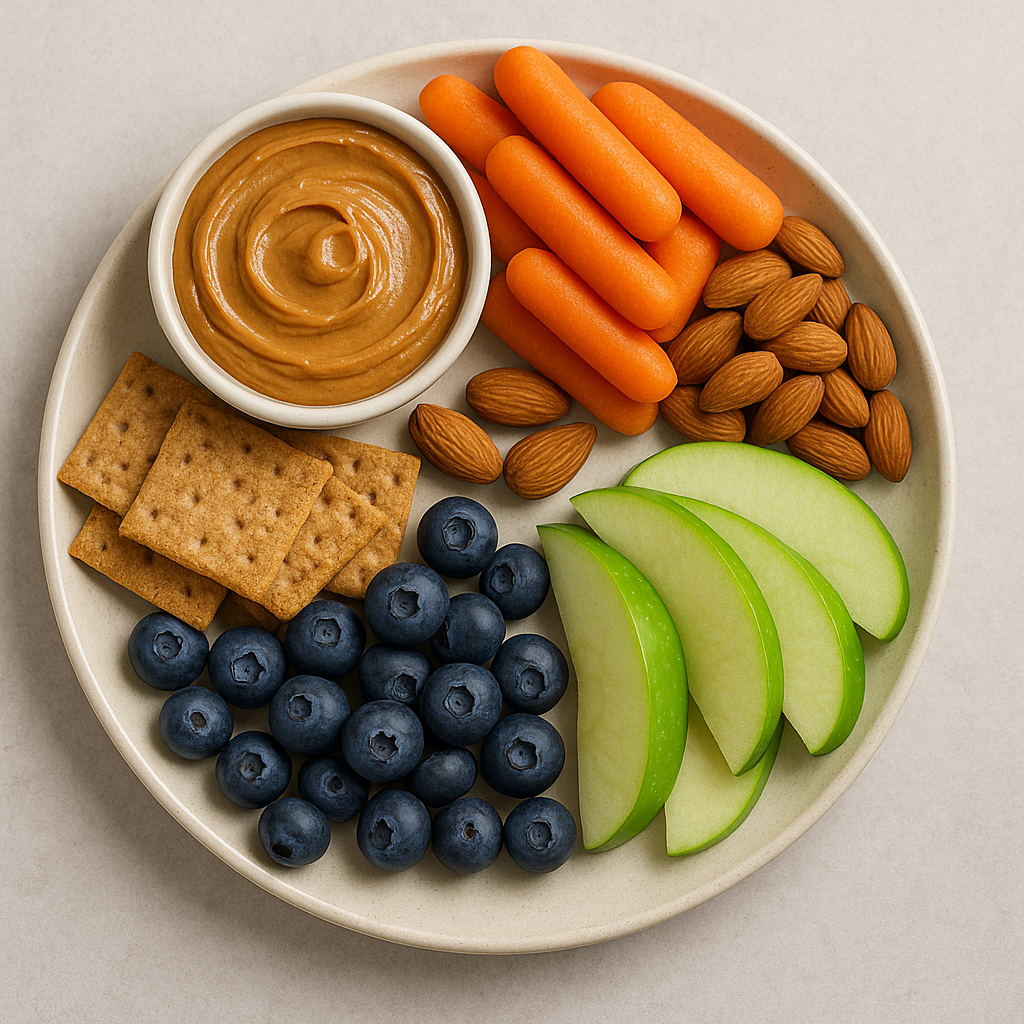
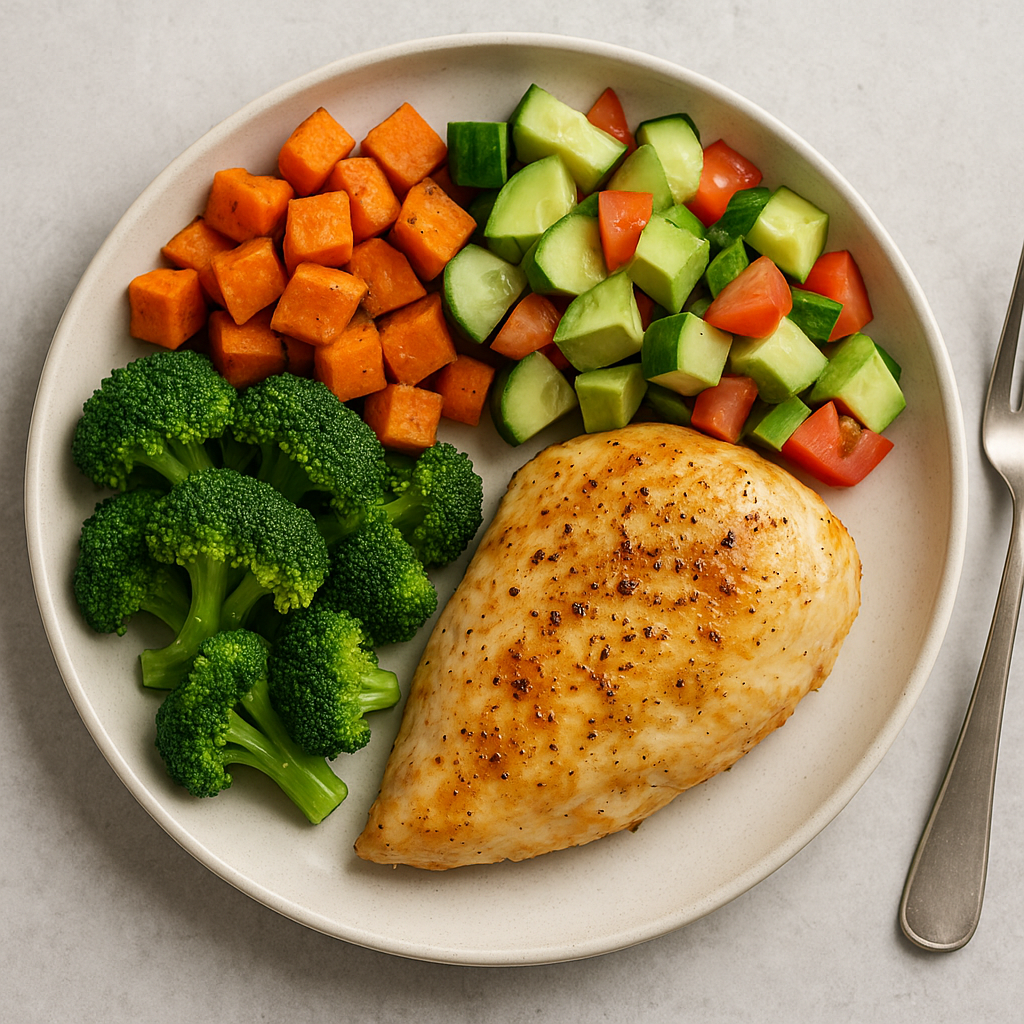
Healthy Foods & Snacks for Weight Loss: Practical Ideas

The most useful snack is one that suits your day, your tastes and the rest of your meals. You do not need a cupboard full of specialist products to have a few good options ready.

Start with the gap you need to fill

Think about when you normally need a snack. Is it the long stretch between lunch and dinner, an early start or a journey home? Planning for that moment is more practical than buying food you never get around to eating.

Simple snack ideas to keep ready

  • Fruit and yoghurt: use fruit you enjoy and check the yoghurt label against your dietary needs.
  • Vegetable sticks and hummus: keep the dip separate until you are ready to eat.
  • Toast with a topping: choose an option you enjoy, such as nut butter, egg or hummus, and consider the portion.
  • A small portion of nuts: check the ingredients and portion the amount you want rather than eating straight from a large bag.
  • A little of a prepared meal: a snack does not have to come from a snack aisle. Choose food that has been stored safely.

These are ideas, not a fixed daily menu. Ingredients, portions and individual needs vary.

Check the label, not just the front of the pack

Compare the portion size on the label with the amount you plan to eat. Include toppings and drinks when thinking about the overall snack. Descriptions such as “natural” or “high protein” do not explain everything about a product.

Prepare enough for the days you need it

Wash or portion ingredients when practical, then follow their storage instructions. If you are taking food to work, consider the journey and the fridge space available there.

For storage guidance, see the Food Standards Agency’s chilling and freezing information.

Keep snacks in the context of your meals

For weight management, look at your overall choices and portions rather than expecting a particular snack to burn fat or prevent cravings. The NHS Better Health guidance offers a practical starting point.

If you need more substantial meal ideas, read our everyday food guide. To make the week easier, start with our meal prep planning guide.

General food ideas, not a personalised diet. Sources checked: NHS Better Health and Food Standards Agency, 4 October 2026.

Best Foods for Weight Loss: Practical Meal Ideas

A useful weight-loss meal plan starts with food you enjoy and portions that fit your needs. There is no special ingredient that makes the rest of your eating habits irrelevant. Think about the whole meal and the routine around it.

Choose foods you can use in real meals

Instead of buying a list of supposed superfoods, choose ingredients you know how to prepare. The NHS focuses on healthier choices and portion sizes in its weight management guidance. Use that as a starting point rather than expecting one food to produce a particular result.

Vegetables and fruit you actually like

Fresh, frozen and suitable tinned options can make meal planning easier. Keep ingredients for a quick side, a lunch bowl or a snack available. Choose varieties you will use rather than filling the fridge with good intentions.

Beans, lentils, eggs, fish and other protein choices

Choose options that fit your preferences and budget. A tin of beans can become a salad, a chilli or a soup. Eggs can work at breakfast or lunch. Check ingredients and cooking instructions when using prepared products.

Oats, potatoes, rice, pasta and bread

These are everyday ingredients you can build meals around. Consider the portion, the preparation method and what you serve alongside them. You do not need to treat an entire food group as off limits because a social post says so.

Turn ingredients into a manageable plan

Pick two or three meals before shopping. For example, you could plan a bean chilli, a vegetable and egg lunch, and a fish or tofu dinner. Use a recipe you trust and choose quantities for your household.

Check the cupboards first, then write one shopping list. Reusing ingredients across meals can reduce the number of things you need to buy and prepare. Our meal prep starting guide helps you keep the routine small enough to repeat.

Look at portions, sauces and drinks too

A meal is more than its headline ingredient. Include dressings, sauces, extras and drinks when thinking about what you eat. If you want structured support with weight management, the NHS guidance gives a more useful starting point than a ranked list of miracle foods.

What about snacks?

Plan snacks around when you need them rather than treating them as a failure. Read our practical snack ideas for food you can keep ready.

Find a routine that fits

Start with the part of the day that is hardest to manage. Preparing a work lunch may help more than changing every dinner. If you have a medical condition or an individual dietary plan, use the advice you have received from your healthcare team.

General food information. Source checked: NHS Better Health, 4 October 2026. This guide does not promise weight-loss results or provide a personalised diet.